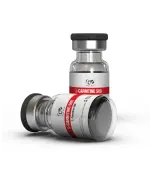
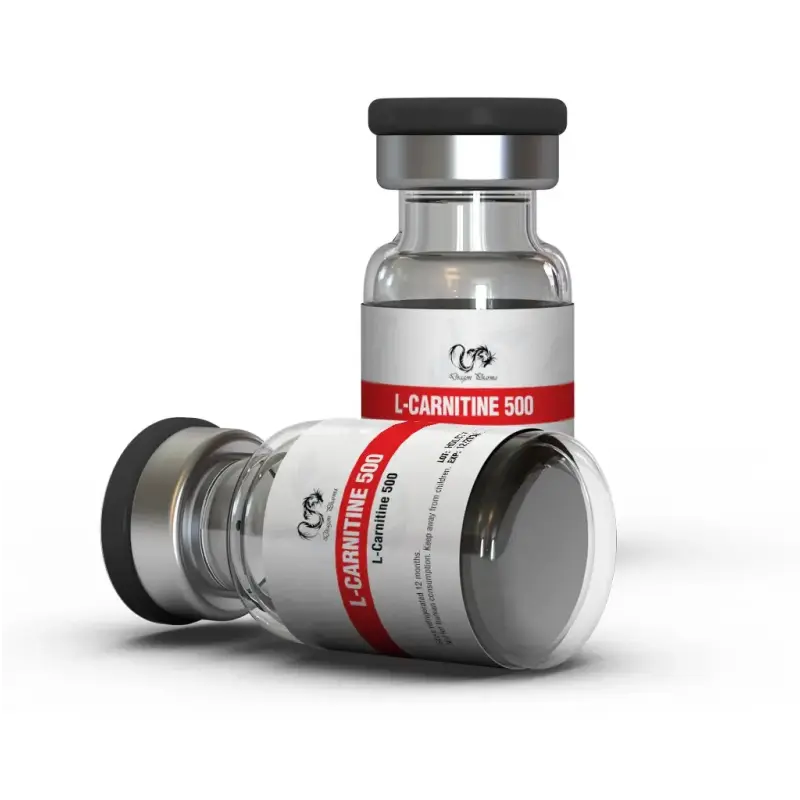
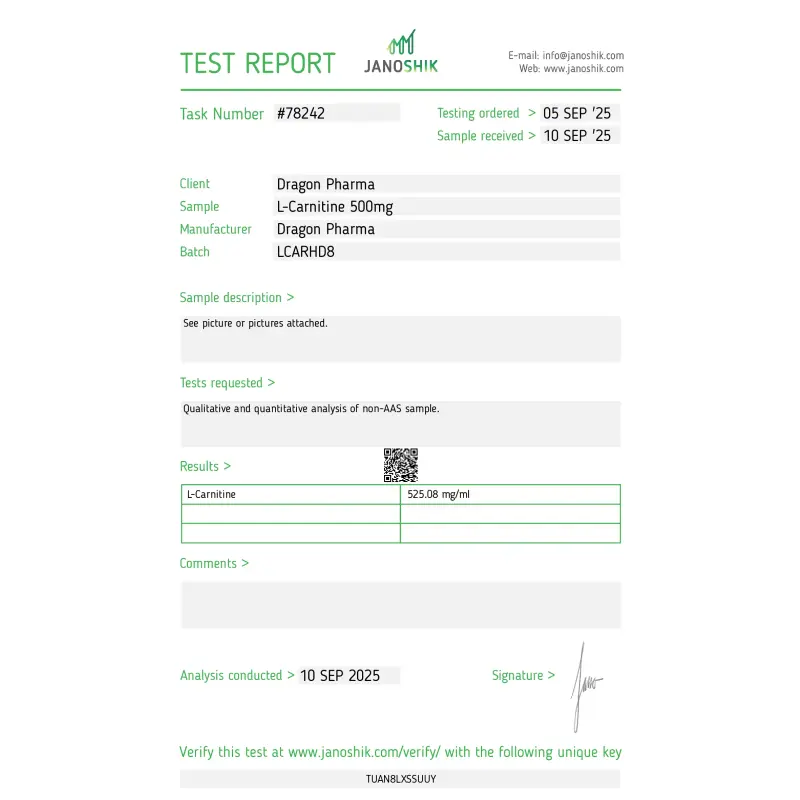
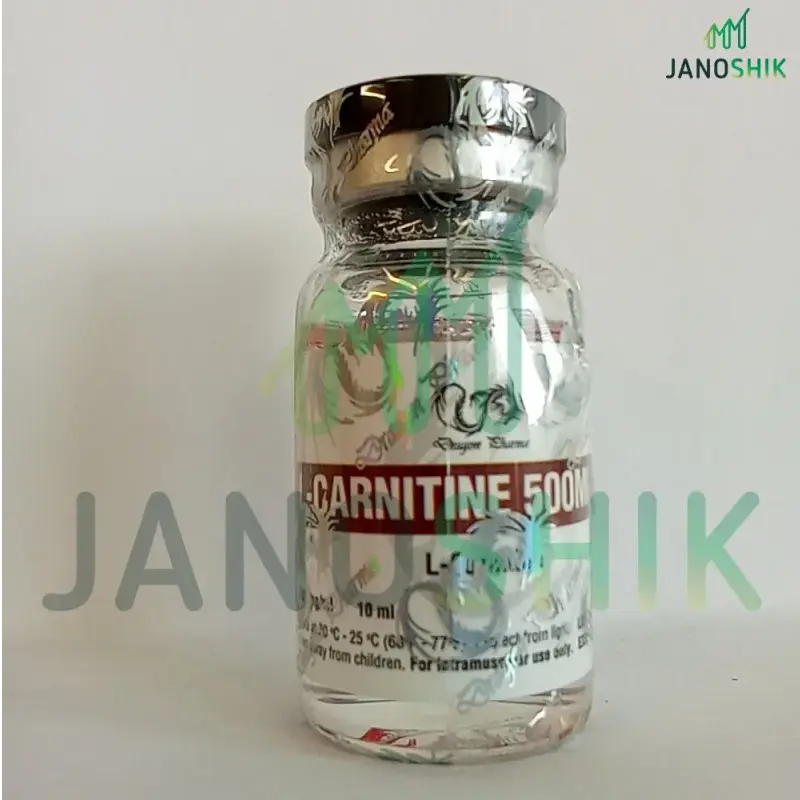
L-CARNITINE 500
- Pack Size: vial
- Concentration: 500 mg
- International
- U.S. Domestic
- USA MADE 2-7 days delivery
- International 5-20 days delivery
L-Carnitine 500 is a specialized research reagent utilized primarily to investigate the biochemical pathways of mitochondrial fatty acid transport and the regulation of cellular energy metabolism. As a critical cofactor in the carnitine palmitoyltransferase (CPT) system, it is a fundamental tool for exploring lipid oxidation and metabolic flux within musculoskeletal and cardiac tissues. Dragon Pharma provides L-Carnitine 500mg at a purity level of 99%+, specifically for use in in-vitro laboratory experiments and preclinical metabolic models.
Overview
In the realm of bioenergetics and neuro-metabolic research, L-Carnitine has become a primary instrument for investigators exploring the transport of long-chain fatty acids into the mitochondrial matrix. Known scientifically as $\beta$-hydroxy-$\gamma$-(trimethylammonio)butyrate, this compound offers a high degree of bioavailability for studying ATP production and the mitigation of oxidative stress. Dragon Pharma provides L-Carnitine 500mg at a minimum purity of 99%, ensuring that researchers have access to a high-grade Research Compound capable of producing reproducible and accurate data in complex biological models.
As scientific inquiry into age-related cognitive decline, metabolic syndrome, and cellular longevity expands, the need for high-purity metabolic intermediates like L-Carnitine has grown. This profile examines the biochemical characteristics, structural integrity, and multifaceted research applications of L-Carnitine 500mg.
Molecular Characteristics and Chemical Profile
The structural integrity of L-Carnitine allows it to facilitate the "carnitine shuttle," moving acyl groups across the inner mitochondrial membrane.
- Chemical Identity: Acetyl-L-Carnitine Hydrochloride
- Molecular Formula: $C_{9}H_{17}NO_{4} \cdot HCl$
- Molecular Weight: 239.7 g/mol (as HCl salt)
- Purity: >99% (HPLC and Mass Spectrometry verified)
- Form: Crystalline powder / Lyophilized powder
- Manufacturer: Dragon Pharma
Research Applications
The compound is utilized in various scientific investigative domains, including:
- Mitochondrial Bioenergetics: Mapping the rate-limiting steps of fatty acid $\beta$-oxidation.
- Neuroprotection: Investigating the modulation of acetylcholine synthesis and synaptic plasticity in neural models.
- Metabolic Homeostasis: Studying the enhancement of insulin sensitivity and glucose disposal in skeletal muscle.
- Cardiovascular Resilience: Assessing the impact of carnitine levels on myocardial oxygen consumption and ischemia recovery.
Pathway and Mechanistic Context
The core value of L-Carnitine 500mg in a laboratory setting is its ability to manipulate the Acyl-CoA Transport Pathway. In a natural physiological state, L-Carnitine acts as the essential carrier that allows fatty acids to enter the mitochondria to be converted into cellular energy (ATP).
The Carnitine Shuttle Mechanism
Upon introduction into a cellular model, L-Carnitine facilitates the conversion of Acyl-CoA into Acylcarnitine. This initiates a global shift in cellular energy sourcing, promoting the utilization of lipid stores over glycolytic pathways.
Key Mechanistic Shifts:
- Fatty Acid Oxidation Potentiation: Facilitates the transport of long-chain fatty acids, providing a framework for studying metabolic efficiency.
- Ammonia Detoxification: Enhances the urea cycle in hepatic models, useful for research into metabolic waste clearance.
- Oxidative Stress Mitigation: Researchers use L-Carnitine to observe how the reduction of lipid peroxidation protects mitochondrial DNA from oxidative damage.
Primary Research Applications
1. Metabolic and Obesity Research
L-Carnitine is heavily utilized in studies involving metabolic dysfunction. Statistics indicate that obesity affects approximately 41.9% of adults in the United States. Prevalence varies significantly by demographic; data shows obesity rates of 49.9% among Black adults, 45.6% among Hispanic adults, and 41.4% among White adults. L-Carnitine provides a unique framework for investigating how lipid metabolism can be chemically optimized in these high-risk metabolic profiles.
2. Neurodegenerative Modeling
Known for its "neuro-reparative" potential, L-Carnitine is used to observe how brain tissues adapt to energetic deficits. Investigators study changes in mitochondrial decay and the prevention of neuronal apoptosis in preclinical models of Alzheimer's and Parkinson's diseases.
3. Age-Related Muscle Atrophy (Sarcopenia)
In gerontology research, L-Carnitine is studied for its ability to improve protein synthesis and reduce muscle wasting. Research models focus on how maintaining carnitine pools can mitigate the decline in physical performance associated with chronic aging.
Form and Analytical Testing
At Dragon Pharma, the commitment to scientific accuracy begins with a rigorous manufacturing process. L-Carnitine 500mg is produced under strict laboratory conditions to ensure the compound remains stable and potent.
- Stability and Purity: The compound is optimized for long-term stability, removing impurities that could interfere with sensitive metabolic assays.
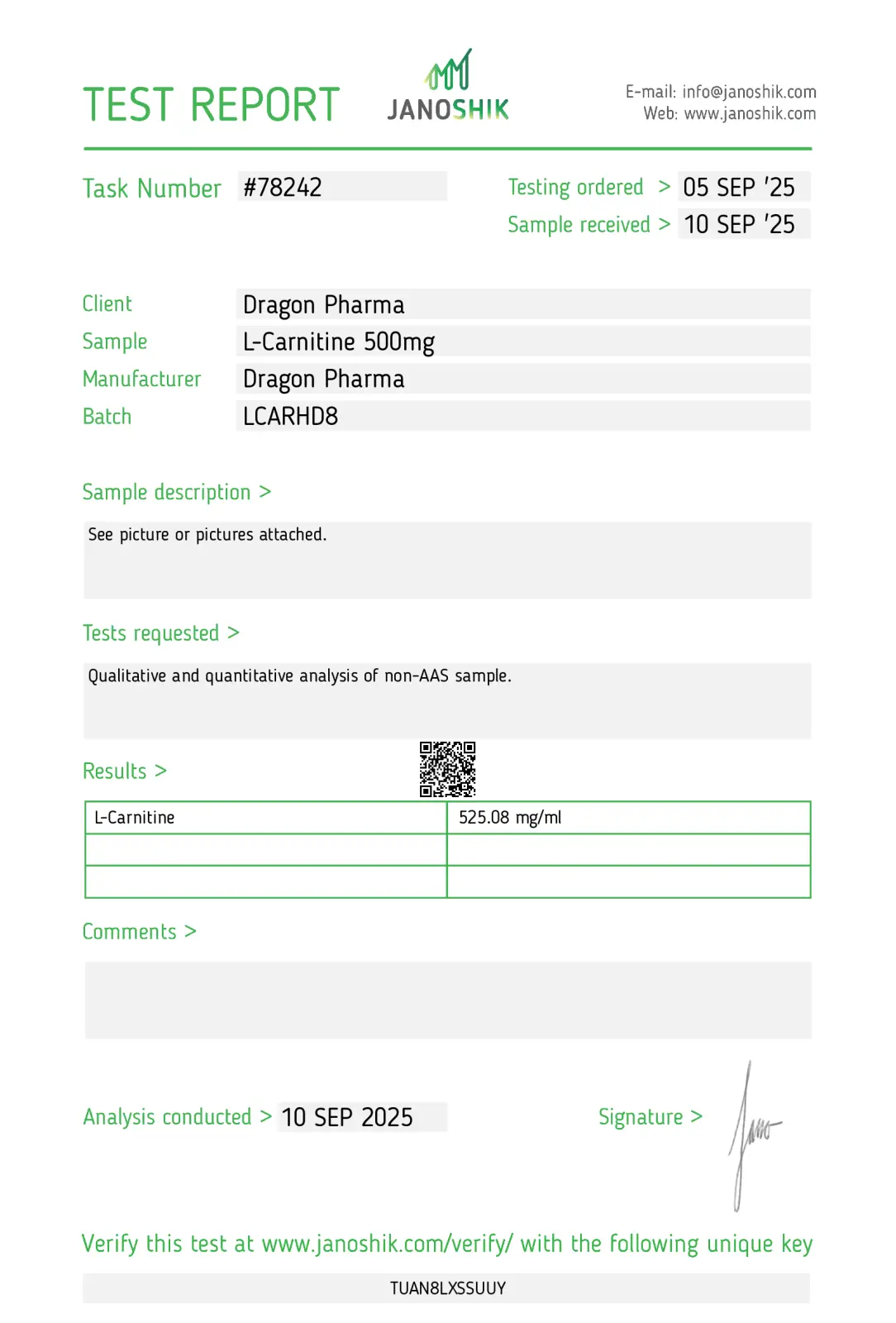
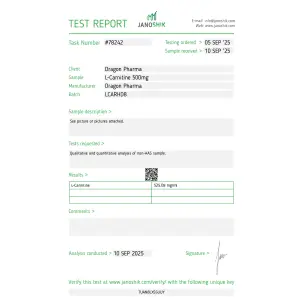
- Rigorous Analytical Verification: Every batch undergoes High-Performance Liquid Chromatography (HPLC) and Mass Spectrometry (MS) to confirm that the chemical signature matches the verified L-Carnitine profile.
Storage, Handling, and Reconstitution
- Storage: Powder should be stored at 4°C for short-term or -20°C for long-term stability, protected from moisture (hygroscopic).
- Reconstitution: Highly soluble in aqueous solutions; can be dissolved in PBS or distilled water for laboratory stock.
- Shelf Life: Once in solution, samples should be utilized promptly or aliquoted and frozen to prevent hydrolysis.
-40% OFF
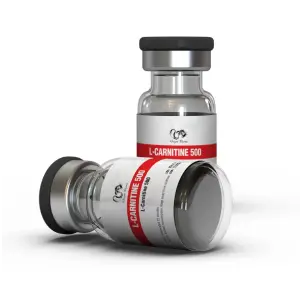
L-CARNITINE 500
COCK BOMBS 70mg
LEVITRA 20mg
ATORVASTATIN 40mg
Insights
The Synergy of Performance: Optimizing Liver Health, Fat Loss, and ATP Production with High-Purity Peptides
Aesthetic & Athletic: Using Weight Loss Peptides for Body Restoration

SARMs vs Peptides: What Works Best for Your Fitness Goals?
CJC‑1295 & Ipamorelin: Exploring Their Potential Synergy in Anabolic Signaling

99% Purity
Ensuring the highest standard with 99% purity.

Quality Ingredients
Crafted with purity and quality ingredients at the core.

Fast Shipping
Fast, reliable shipping straight to your door.

No TFA or Fillers
Nothing extra, just science: no TFA, no fillers.
Peptide Quality You Can’t Find Elsewhere!
| Dragon Peptides | Leading Competitor | |
|---|---|---|
| 200+ Peptide Variants |  |
 |
| USA-Manufactured Research Grade | |
|
| WHO/GMP & ISO 9001:2015 Certified | |
|
| Third-Party Tested for Purity | |
|
| Certificates of Analysis Provided | |
|
| Competitive Pricing Without Compromise | |
|
| Secure & Discreet Shipping | |
|

Quality You Can Rely On — Guaranteed
At PeptideHubs, scientific integrity and product reliability are at the core of everything we do. Each compound is manufactured and tested under strict quality control protocols to ensure consistency, purity, and performance for research applications.
However, if for any reason our product does not meet your research expectations, we offer a 60-day money-back guarantee — providing a risk-free procurement experience for qualified researchers and institutions.
Your research deserves uncompromised quality — and we stand behind every order to ensure you receive.